
Personal Agency: You Don't Need a Cape or Millions of Followers to Matter
- Luciana Machado

- Jan 23
- 2 min read
Updated: Apr 14
My dad taught me something that shattered every grandiose savior fantasy I'd built: I don't need to save the world. I need to save the world around me. This distinction may seem small, but it's seismic. It's the difference between paralysis and action. It's about waiting for the perfect moment with perfect resources versus using what's already in your hands.
Stop Trying to Save the World (And Start Saving Your Own)
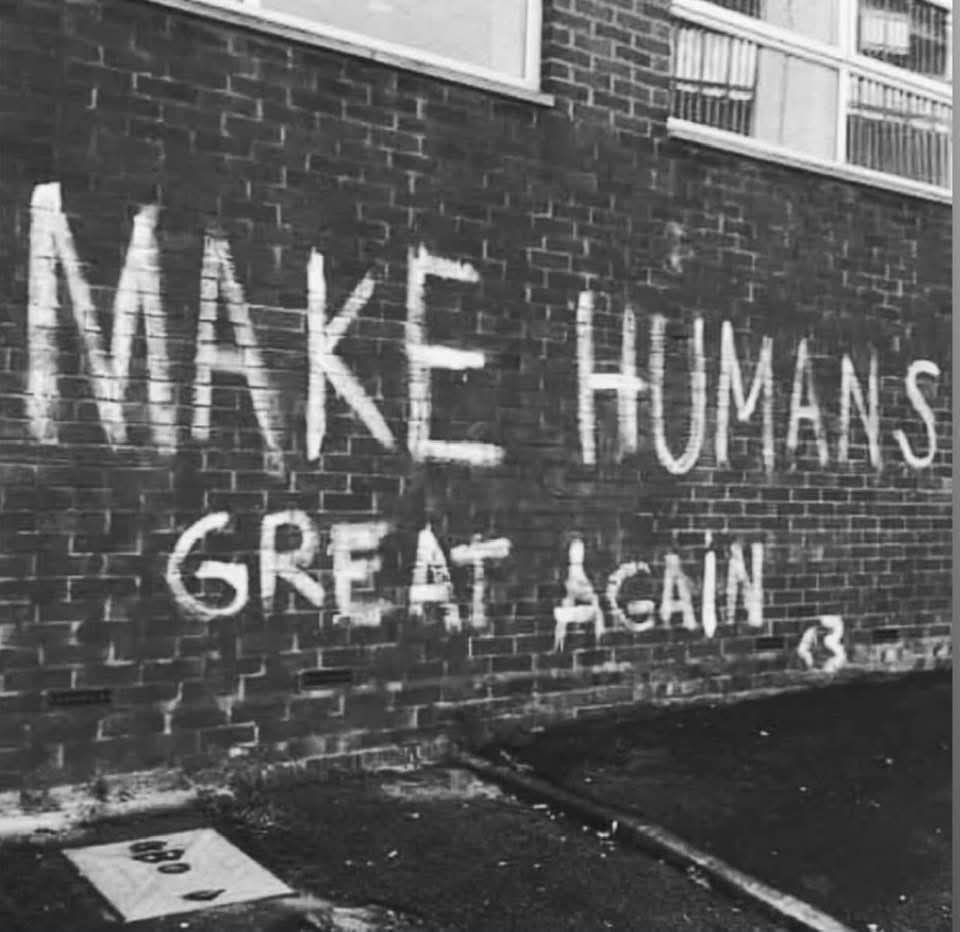
We live in a time when changing the world feels like a branding exercise.
We are constantly fed stories of global icons, viral activists, and overnight changemakers. It’s easy to feel like if your impact isn’t scalable, documented, or world-altering, it doesn’t count. But I’ve come to realize that this mindset is a trap. It leads to paralysis, compassion fatigue, and a sense of insignificance that keeps us from doing anything at all.
The "Radius" Shift
There is a profound difference between trying to save the world and trying to save the world around you. When we obsess over the former, we wait for the perfect moment or the perfect platform. When we focus on the latter, we realize that our influence is already active, right where our feet are planted.
Performing Empathy vs. Practicing It
In the age of social media, it’s tempting to perform empathy for an audience. But true change is rarely viral. Real impact is often quiet, unrecorded, and invisible. It’s the coworker you help when they’re drowning in a deadline, the neighbor you check in on, or the community space you help maintain simply because you care. When we stop performing for an audience, we move from the ego-driven role of a “savior” to the human-centered role of a “neighbor.”
The Math of Small Acts
We often overlook the impact of incrementalism. Small acts of kindness are crucial for cultural change, creating a butterfly effect. By being mindful and caring in your community, you help not just one person but strengthen the overall social fabric.
You don’t need a cape, a TED Talk, or a million followers to matter. You are changing your world constantly, whether you notice it or not. The real question isn't "How can I change the world?" but rather, "Am I sleeping through my own influence?"
Start where you are and use what you have. Go ahead and fix what is in front of you.

Change doesn't always come from the top down; it starts with the person sitting right next to you.
Think about it, who can you support today?


Comments