
The Art of Storytelling in Marketing: StarTalk Like Recording in Antarctica
- Luciana Machado

- Dec 4, 2025
- 3 min read
Updated: Feb 22

Why Stories Actually Work in Marketing
Brands are fighting for attention everywhere you look. The ones that win? They're not shouting louder. They're telling better stories. When you share a story, something shifts. Your audience stops scrolling and leans in, because stories don't just inform, they connect. And connection is what turns a casual viewer into someone who actually cares about what you're doing. Facts tell, but stories sell. It's that simple. When you invite people into a narrative instead of throwing statistics at them, you're not talking at them anymore. You're talking with them.
Finding Your Brand's Story
Start with what matters. What does your brand actually stand for? What makes you different from everyone else doing something similar? Once you're clear on that, everything else gets easier. Then think about the people you're trying to reach. What keeps them up at night? What problems are they trying to solve? When you address those pain points directly and show how you can help, you're not just another brand. You're someone who gets it. And that builds trust faster than any sales pitch ever could.
Be Real or Go Home
People have finely tuned BS detectors. If your story feels manufactured or overly polished, they'll see right through it. Share what's real and talk like a human, not a press release. I do this in my own work all the time. When I share what's actually happened, the wins and failures and the messy middle, people respond. They see someone who's been in the trenches, not just someone selling a solution from a distance. That's the difference between being forgettable and being someone they want to work with.
Get Them Involved
Don't limit yourself to one format. Videos grab attention fast, blog posts let you dig deeper, and social media keeps the conversation going. Use what works for the story you're telling and the platform you're on. Mix it up and keep testing. Pay attention to what gets people talking, sharing, and commenting. Those signals tell you what's landing and what's not. You can't improve what you don't measure, so look at your engagement metrics like likes, shares, comments, and time spent on page. These tell you if your story is actually resonating or just sitting there. And don't be afraid to ask directly. Run a survey and get feedback. Your audience will tell you what they want more of if you give them the chance.
Where This Is All Going
Storytelling isn't a trend that's going away. It's only getting more important. The brands that figure this out will build deeper relationships, stronger loyalty, and real growth. My whole approach is built around this. I work with brands that want to connect with their audience on a level that matters, not just get more eyes on a post. That means crafting messages that actually resonate, staying ahead of what's shifting in the industry, and putting people at the center of every strategy. Your story is worth telling. Tell it honestly, and people will pay attention.
Here is a video that illustrate effective storytelling in marketing:
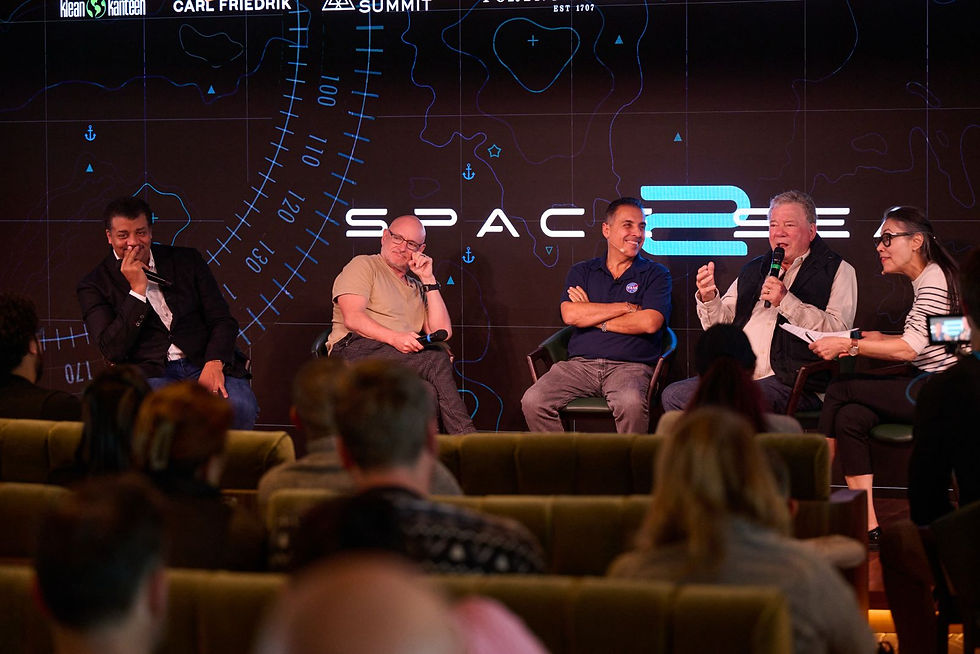
Space2Sea is an elite series of luxury expedition programs produced by FUTURE of SPACE. The series is designed to function as a "floating think tank," blending travel to Earth’s most remote territories with deep intellectual exploration alongside world-renowned visionaries. Its primary goal is to foster a powerful connection between the challenges of outer space exploration and the preservation of our planet’s last great wilderness areas.The first Space2Sea expedition, the 2024 "Voyage of Legends" to Antarctica, featured a curated group of world-renowned cultural and scientific luminaries.
The primary celebrity lineup consisted of eight "Legends":
• William Shatner: The iconic actor and explorer who shared his unique perspective on life and space.
• Neil deGrasse Tyson: Renowned astrophysicist and science communicator who guided stargazing sessions.
• Scott Kelly: Acclaimed astronaut who holds the record for one of the longest stays in space.
• Ann Curry: Award-winning journalist who moderated key discussions and shared storytelling insights.
• Céline Cousteau: Environmental advocate and filmmaker who connected the journey to ocean conservation.
• José Hernández: NASA astronaut and engineer whose story focuses on perseverance and education.
• Charlie Duke: One of the legendary Apollo moonwalkers who offered historical context for human exploration.
• Stephen Wiltshire: A distinguished artist who sketched live impressions of the Antarctic landscape.
Beyond this core group, the voyage included Keyon Harrold, a Grammy-nominated trumpeter and composer who provided musical performances throughout the trip.


Comments